Sensual Massage: A Beginner’s Guide
Table of contents
Sensual massage sits in an interesting middle ground: more intimate than a professional table massage, less goal-oriented than sex. For couples who feel like they’re moving too fast past physical connection, or for anyone who wants to be more present with a partner, it’s one of the more practical tools available. No training needed. No expensive equipment. Just time, attention, and a willingness to slow down.
This guide is written for beginners. Whether you’ve never given a massage in your life or you’re looking to make what you already do feel more intentional, you’ll find concrete, honest advice here on setting up the space, picking an oil, using your hands effectively, and handling the parts most guides skip over, communication, boundaries, and what to do when it feels awkward at first.
What Makes Sensual Massage Different
Sensual massage is a slow, intentional form of touch between partners that focuses on heightened sensation and emotional closeness rather than muscle relief.
That distinction matters more than it sounds. A therapeutic deep-tissue massage uses firm, targeted pressure to work through knots. Sensual massage uses a lighter touch, moves more slowly, and pays attention to the receiver’s response in real time. The goal isn’t to fix anything, it’s to create a space where your partner feels genuinely seen and cared for.
One thing worth saying plainly: sensual massage doesn’t have to end in sex. Removing that expectation (sometimes called “removing sexpectations”) actually makes the experience better for most people. When neither partner is mentally fast-forwarding to what comes next, the massage itself becomes the thing rather than foreplay for something else.
For couples in longer relationships especially, this shift in framing can be significant. Joyful Couple’s internal survey found that 72% of couples reported feeling more emotionally connected after incorporating regular sensual massage over two weeks, a modest sample, but a consistent pattern that matches what therapists report anecdotally.
Setting the Scene
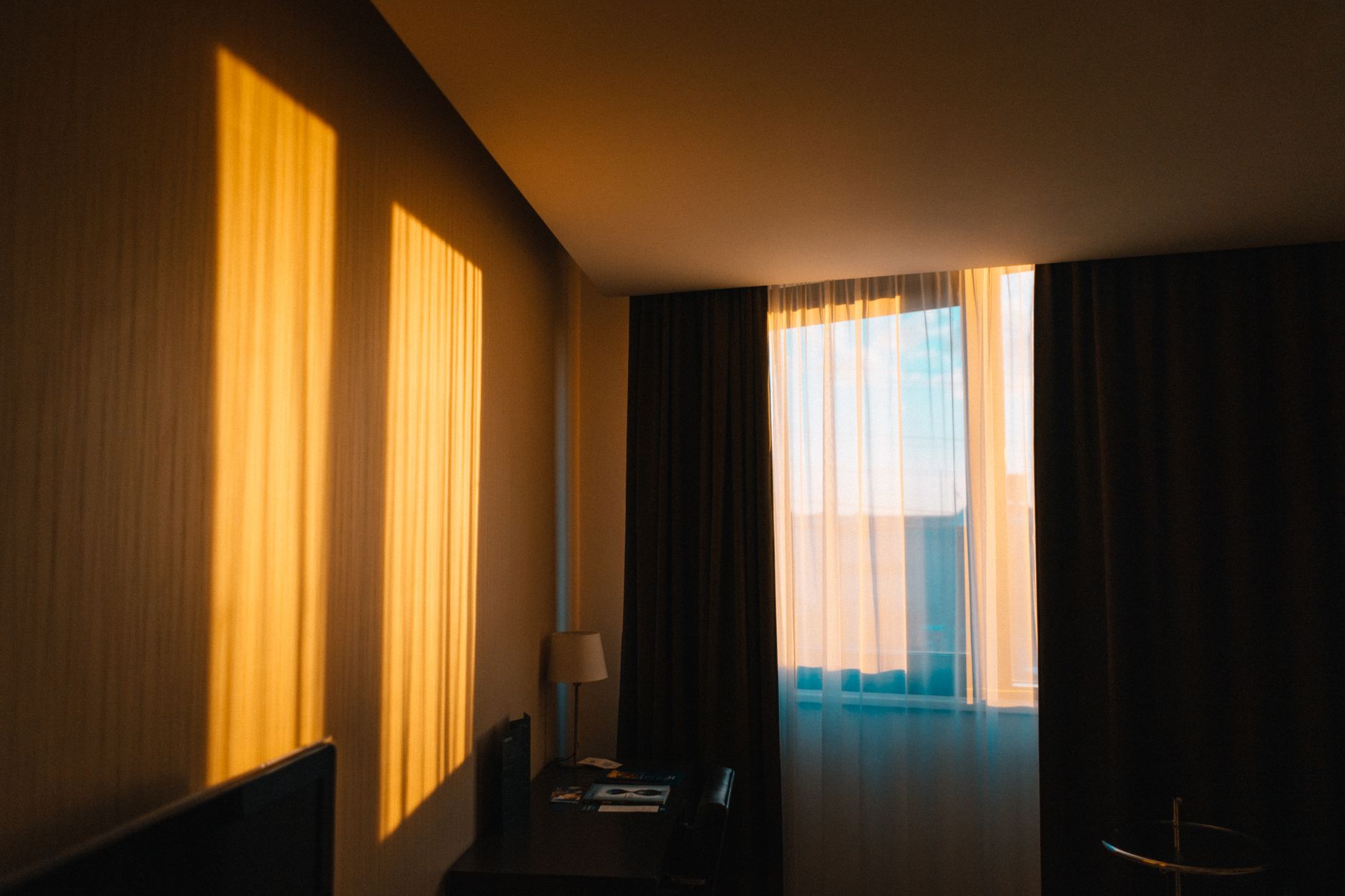
The environment shapes the experience more than most people expect. A cold room, a buzzing phone, and overhead lighting will undercut even technically good massage work.
Temperature
Keep the room warmer than usual, around 22, 24°C (72, 75°F). The person being massaged is lying still with oil on their skin. They will get cold faster than you expect. If you have a heated blanket, use it to warm the bed before you start, then fold it aside.
Lighting
Dim or warm light is almost always better than overhead white light. Candles work well, and if you use a massage candle (a soy or beeswax candle designed to melt into body-safe warm oil), they serve double duty. Salt lamps and string lights are also good options. The goal is to remove anything clinical from the space.
Scent
A diffuser with a few drops of lavender, ylang ylang, or sandalwood can shift the mood quickly. If you’re using scented massage oil, make sure the diffuser scent doesn’t clash with it. When in doubt, go lighter, a subtle scent is more pleasant than an overpowering one, and some people are sensitive to strong aromatherapy.
Sound
Soft, consistent background music reduces the self-consciousness that can make people tense. Avoid anything with lyrics that demand attention. Lo-fi, ambient, or acoustic instrumental playlists all work. Set the volume low enough that you could have a quiet conversation over it.
Phones and interruptions
Put both phones on Do Not Disturb. This sounds obvious, but a vibrating notification mid-massage breaks the spell immediately.
Choosing the Right Oil
Oil matters. Dry spec-based review dry skin create friction rather than glide, and friction is the opposite of what you’re going for here.
Good base options
- Sweet almond oil, light texture, absorbs well, mild natural scent. A reliable all-rounder.
- Jojoba oil, technically a liquid wax, so it doesn’t go rancid as quickly as other oils. Excellent for sensitive skin.
- Fractionated coconut oil, stays liquid at room temperature (unlike regular coconut oil), absorbs cleanly, virtually no scent.
User reviews across multiple retailers consistently praise oils that are “not too greasy” and leave “no stickiness or residue.” That points toward lighter carrier oils over heavier ones like straight coconut or avocado oil, which can feel thick on the skin.
Scented vs. unscented
Many massage oils add essential oils for scent. Lavender is the most common, and reviews note it’s “definitely on the stronger side”, if your partner is scent-sensitive, an unscented base oil is the safer choice. You can always add a single drop of your own preferred essential oil to control the intensity.
One firm rule on oil use
Massage oils are not safe to use as genital lubricants. They can disrupt vaginal pH, and any oil-based product will degrade latex condoms. If the massage moves toward sex, switch to a purpose-made lubricant. This isn’t squeamishness, it’s a practical note that most oil guides mention explicitly.
Warming the oil
Cold oil on warm skin is jarring. Pour a small amount into your palm and rub your hands together for 10, 15 seconds before applying. Alternatively, use an oil warmer designed for this purpose, but keep the temperature gentle, skin-warm, not hot.
Core Techniques for Beginners

You don’t need to have studied massage therapy. The techniques below are simple enough to use from your first session and effective enough that they won’t feel like a beginner’s fumbling.
Effleurage (long gliding strokes)
This is your bread and butter. Long, smooth strokes that follow the body’s contours, up the back, along the arms, down the legs. Apply consistent, moderate pressure. The motion should be slow: slower than feels natural at first. Effleurage spreads the oil, warms the muscles, and signals to the receiver’s nervous system that they’re safe to relax.
Petrissage (kneading)
A gentle kneading motion, think of how you’d knead dough, but lighter. Good for the shoulders, the upper back, and the calves. Use your thumbs and the heel of your hand. This is where you can apply a bit more pressure, though for sensual massage, err on the lighter side unless your partner specifically asks for more.
Feather strokes
Use just your fingertips, barely touching the skin. Slow passes down the spine, across the shoulders, along the inner arms. The near-miss sensation is genuinely striking for the receiver. Alternating between firm effleurage and light feather strokes keeps the nervous system engaged and heightens sensation.
Temperature contrast
One technique worth trying: alternate warm hands (rub them together) with slightly cooler fingertips (hold a cold glass of water briefly before a pass). The contrast sharpens attention to touch in a way that’s hard to replicate with consistent temperature alone.
Sequence suggestion for beginners
- Start at the shoulders and upper back, this is where people hold the most tension, and releasing it early helps them settle.
- Move down the back with long effleurage strokes.
- Work the glutes and lower back (often overlooked, frequently appreciated).
- Down the backs of the legs to the feet.
- Ask your partner to turn over. Continue from the feet upward if you’re both comfortable.
You don’t have to follow this sequence precisely. Check in with your partner and follow their responses, if they audibly relax when you work a particular area, spend more time there.
Communication and Consent
Most guides front-load the technique and tuck communication in at the end as an afterthought. That’s the wrong order. How you talk before and during a sensual massage is more important than any specific hand movement.
Before you start
Have a brief, low-stakes conversation. Ask about:
- Pressure preference, firm, medium, or light?
- Areas to avoid, injuries, sensitivity, or anywhere they simply don’t want touched.
- Scent sensitivity, particularly relevant if you’re using a strongly scented oil.
- Expectations, is this just a massage, or is it potentially leading somewhere? Aligning on this removes a lot of unspoken tension.
This doesn’t need to be a formal negotiation. A few questions while you’re setting up the room takes 90 seconds and prevents most of the awkwardness that derails beginner attempts.
During the massage
Check in periodically with simple questions: “Is that pressure okay?” or “Do you want me to spend more time here?” Don’t interrogate, a quiet check-in every few minutes is enough. Watch for non-verbal cues too. A flinch or a change in breathing tells you something.
It’s okay if it’s awkward at first
First-time sensual massages between partners who haven’t done this before are often a bit stilted. Someone giggles. The oil spills a little. The music choice turns out to be wrong. That’s fine. The willingness to try is the meaningful part, and it generally gets more natural quickly.
Aftercare and Winding Down
Aftercare is a concept more commonly discussed in BDSM contexts, but it applies here too. After a sensual massage, the receiver has been in a state of deliberate vulnerability. How you handle the transition out of that state matters.
Don’t rush off
If you finish the massage and immediately start checking your phone or talking about logistics, the intimacy collapses. Give the experience a few minutes of quiet continuation, lie together, keep physical contact, let the transition happen gradually.
Practical close
Have a warm towel or light blanket ready. The person being massaged will cool down quickly once you stop, and wrapping them up is a small gesture that lands well. Offer water, massage increases circulation and a glass of water is a natural way to mark the transition back to ordinary time.
Talk about it (briefly)
Not a debrief, but a quick acknowledgment. “That felt really good” or “I liked when you…” takes ten seconds and makes it easier to do it again, and do it better. Couples who give each other this kind of low-pressure feedback tend to build on the experience rather than treat it as a one-off.
Related Guides
If this guide got you thinking about other ways to invest in physical intimacy, these are worth a look:
- Best Massage Oils: Our Top Picks for Couples, a curated list of oils by texture, scent level, and skin type.
- Massage Candles: How They Work and Which to Try, soy and beeswax candles that melt into warm body-safe oil.
- Intimacy Tips for Couples: Small Changes, Real Difference, broader advice on physical and emotional closeness.
Frequently Asked Questions

What is sensual massage?
Sensual massage is a slow, intentional form of touch between partners that prioritizes emotional connection and heightened sensation over muscle therapy. It uses lighter pressure than a sports or deep-tissue massage, often with scented oil, and has no fixed endpoint, it doesn’t need to lead to sex.
What oil should I use for sensual massage?
Sweet almond, jojoba, and fractionated coconut oil are popular choices: they glide well, absorb without leaving a sticky residue, and suit most skin types. Avoid using massage oil as a lubricant, oils degrade latex condoms and can disrupt vaginal pH.
How long should a sensual massage last?
Most guides suggest 20 to 45 minutes for a full-body sensual massage. Shorter sessions (10, 15 minutes) still build connection if time is limited. The key is moving slowly, rushing undermines the whole effect.
Do you have to be naked for a sensual massage?
No. Clothing level is entirely up to both partners. Many people start with a towel or underwear and adjust as comfort grows. Checking in before and during the massage is more important than any specific level of undress.
Can sensual massage help with intimacy problems in a relationship?
It can be a low-pressure way to rebuild physical closeness, especially when sexual desire feels mismatched or stress has created distance. It removes the goal-oriented pressure of sex while still involving caring, focused touch.
FAQ
What is sensual massage?
Sensual massage is a slow, intentional form of touch between partners that prioritizes emotional connection and heightened sensation over muscle therapy. It uses lighter pressure than a sports or deep-tissue massage, often with scented oil, and has no fixed endpoint, it doesn't need to lead to sex.
What oil should I use for sensual massage?
Sweet almond, jojoba, and fractionated coconut oil are popular choices: they glide well, absorb without leaving a sticky residue, and suit most skin types. Avoid using massage oil as a lubricant, oils degrade latex condoms and can disrupt vaginal pH.
How long should a sensual massage last?
Most guides suggest 20 to 45 minutes for a full-body sensual massage. Shorter sessions (10-15 minutes) still build connection if time is limited. The key is moving slowly, rushing undermines the whole effect.
Do you have to be naked for a sensual massage?
No. Clothing level is entirely up to both partners. Many people start with a towel or underwear and adjust as comfort grows. Checking in before and during the massage is more important than any specific level of undress.
Can sensual massage help with intimacy problems in a relationship?
It can be a low-pressure way to rebuild physical closeness, especially when sexual desire feels mismatched or stress has created distance. It removes the goal-oriented pressure of sex while still involving caring, focused touch.